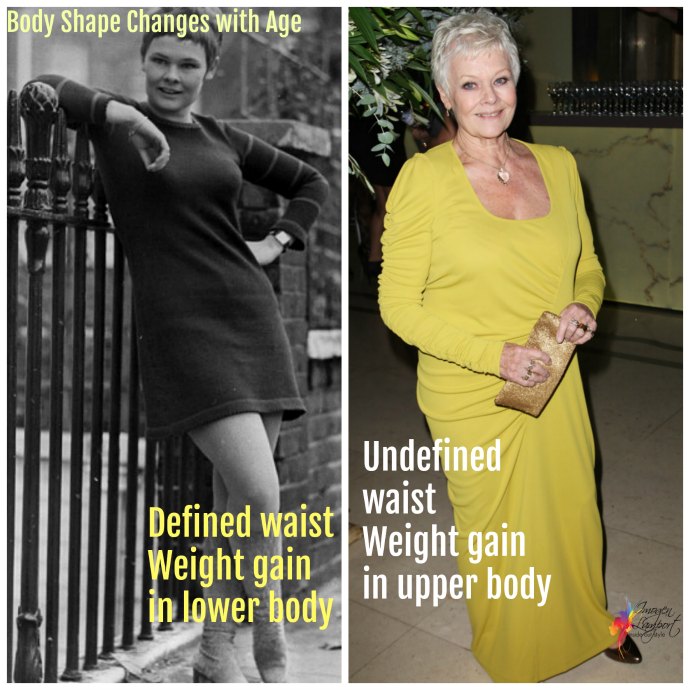
Physical Adjustments Of Aging Life-span Development Genes and way of living will be the deciding factors in what your results resemble. There are lots of factors that figure out exactly how well your skin adjusts, including your age, genes and the rate of your fat burning. Weight loss lowers kept fat beneath your skin and around your body organs. This subjects muscles and bone structure, which is why weight loss changes your shape. Others study non-invasive alternatives for contouring post-weight loss. Therefore, exercise and diet, which can enhance insulin's action, become more crucial as individuals age. In spite of these modifications, a regular older heart features well. Distinctions in between young and old hearts emerge only when the heart has to work hard and pump more blood-- for instance, during exercise or a health problem. An older heart can not quicken as swiftly or pump as rapid or as much blood as a more youthful heart.
Muscle Mass Interpretation
Additionally, you can obtain my professional viewpoint with my 7 Actions to Design program which includes a body shape/proportion evaluation. I Shape-- can become an H form if weight gain is also, or may change into an A shape or X shape, relying on where the weight is obtained. Elisa is remarkable to work with and vastly surpassed my assumptions! She thinks of every information and has a smooth process beginning to complete. Less blood flows with the kidneys, and at regarding age 30, they begin to filter blood less well. As years pass, they might eliminate waste products from the blood less well. They may excrete way too much water and inadequate salt, making dehydration most likely. However, they often function well sufficient to satisfy the body's needs. As individuals age, palate on the tongue reduction in level of sensitivity. This adjustment affects sampling pleasant and salt more than bitter and sour.
Heart
Consider the underarm 'flaps', rolls around your belly, or saggy thighs, which can arise from the reduction in muscular tissue. Women typically put on weight until age 65, and then start to reduce weight. Weight reduction later on in life happens partly because fat replaces lean muscle tissue, and fat evaluates less than muscle. A wide variety of changes can occur in the body to various levels as we age. These changes are not always a sign of an underlying illness yet they can be traumatic to the individual. That is why, as individuals age, they might not feel like exercising as usually. The body really feels much less of a need to shed all that added power, and their tummy is one of the body parts that gain and retain fat. The heart can not stay on par with the demand for even more blood during exercise.
Damages to the cartilage material due to lifelong use of joints or duplicated injury usually results in osteoarthritis, which is among one of the most usual disorders of later life.
Anything more than 0.85 for women or 0.9 for men places you in the danger area for health issue.
The trick is to maintain an energetic, healthy and balanced lifestyle throughout your life, making the best of the mind and body you have.
This sort of surgery alters the belly or digestive system tract to assist people eat much less and lose weight in time.
Culture has a whole lot to address for here, as elegance standards have for a long period of time told us slim remains in.
However also if you are a body positive individual, some women life stages can change your body composition and make loving your body a challenge.
These changes happen due to the fact that the cells that preserve ligaments and tendons become less active. Bones come to be less dense partly due to the fact that they contain much less calcium (which provides bones stamina). The amount of calcium reduces because the body takes in less calcium from foods. Likewise, degrees of vitamin D, which helps the body usage calcium, lower slightly. Those most afflicted consist of completion of the thighbone (femur) at the hip, the ends of the arm bones (radius and ulna) at the wrist, and the bones of the back (vertebrae). Yet as time takes place-- and we create a body image-- those glances in the mirror can end up being less happy and more essential. Age-related hearing loss (presbycusis) establishes, which often influences mainly high frequencies (which include consonants-- the noises that help individuals recognize words). Muscle mass tissue is shed, changed by fatty or coarse tissue, lowering stamina and making muscle mass stiffer. The levels and task of some hormones, created by endocrine glands, reduction. Take a look at the site here
What age does your body shape modification?
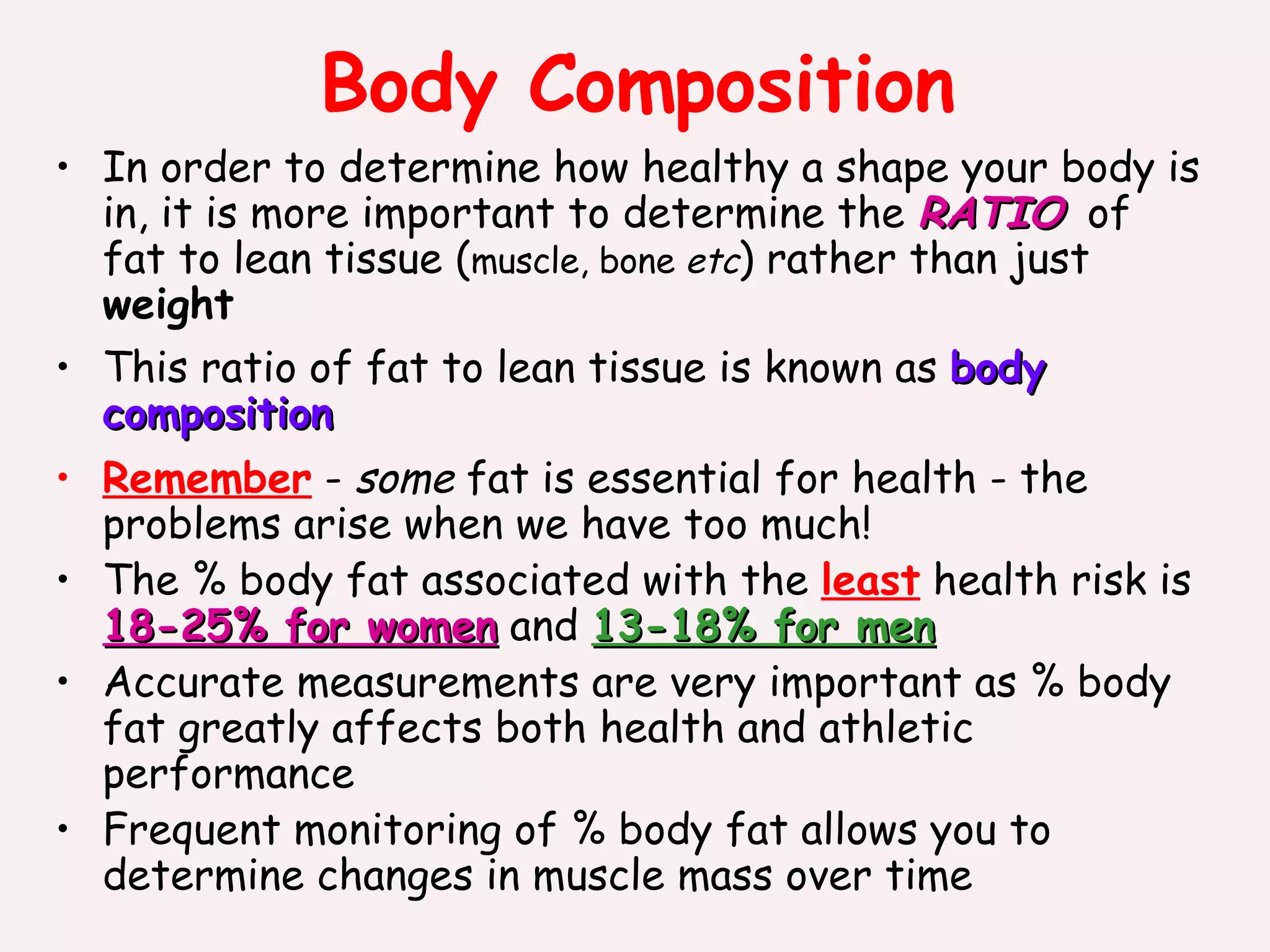
The human body is made up of fat cells, lean tissue (muscular tissues and organs), bones, and water. After age 30, people tend to shed lean cells. Your muscles, liver, kidney, and other body organs may shed several of their cells. This process of muscle loss is called degeneration.
A lot of physical features peak shortly prior to age 30 and then start a progressive yet continual decline. Nonetheless, despite having this decline, many functions stay sufficient since most organs start with considerably more useful capability than the body demands (useful book). For instance, if half the liver is damaged, the remaining tissue is sufficient to keep typical feature. Thus, disorders, instead of normal aging, usually represent most of the loss of function in older age. As mentioned above, your muscle mass help wait with each other, but as you age, you naturally lose muscular tissue mass because of a drop in hormones. As the muscle mass lowers, your skin Love Handles won't sit similarly as it did when you remained in your 20s or 30s. He gains near-adult degrees of control in both huge- and fine-motor skills. Starting in perimenopause (generally around your 40s), estrogen degrees begin to fluctuate and at some point decline. This isn't practically durations-- estrogen plays a vital duty in where your body shops fat. As men age, the prostate gland tends to enlarge-- a condition called benign prostatic hyperplasia. In lots of males, the prostate increases the size of enough to disrupt the flow of urine and to stop the bladder from clearing completely. Older men are likewise most likely to be not able to urinate in spite of having a complete bladder (called urinary system retention).